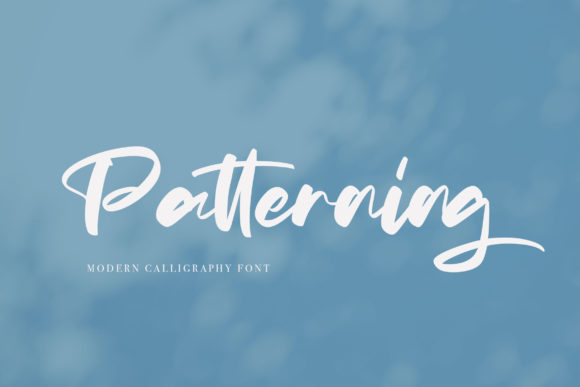
Patterning Font: Authentic Handwritten Typography for Web Design
Patterning Script Handwritten Fonts for Authentic Digital Branding
Patterning results out of a stunning pairing of a brush pen and pencil that makes it look incredibly endearing and authentic, serving as a vital tool for web designers seeking genuine connection in their digital interfaces. As a premium Script Handwritten typeface, this font transcends standard decorative typography by offering a texture that feels human rather than algorithmic. When integrating Fonts into a brand identity system, the primary challenge is often balancing aesthetic appeal with digital legibility, and Patterning addresses this by maintaining the raw charm of analog tools while remaining crisp on high-resolution screens. For UI designers and creative entrepreneurs, this specific visual character establishes immediate trust and warmth, which are essential metrics for conversion-focused layouts where users need to feel a personal connection before engaging with a call to action.
The unique duality of the brush and pencil strokes creates a rhythmic variance that prevents the text from looking static or repetitive, a common pitfall in digital typography. This organic flow is particularly effective for lifestyle brands, coaching platforms, and artisanal e-commerce stores where the brand voice relies on approachability. Unlike rigid sans serif fonts that convey corporate efficiency, Patterning introduces a narrative quality to hero sections and landing pages. It signals to the user that there is a real person behind the screen, effectively bridging the gap between digital commerce and human interaction. This psychological impact is measurable; when visitors perceive authenticity, bounce rates decrease and time-on-page increases, making this font not just an aesthetic choice but a strategic business asset.
Optimizing Patterning for Website Headers and Hero Sections
Patterning excels in large-format applications such as website headers and hero sections where its intricate details can be fully appreciated without compromising load times or rendering performance. When utilizing Script Handwritten styles for above-the-fold content, scale is critical; this font requires sufficient pixel height to ensure the delicate pencil textures do not become muddy on mobile devices. In web design, the hero section serves as the primary hook, and using Patterning here allows you to create a focal point that contrasts sharply with clean, grid-based UI elements. The font’s inherent weight distribution guides the eye naturally across the headline, creating a visual hierarchy that directs attention toward subheadings and primary buttons without aggressive styling cues.
For digital product creators designing sales pages or course launches, Patterning provides the necessary emphasis to highlight value propositions without resorting to all-caps shouting. The brush pen characteristics add a sense of urgency and importance through stroke variation rather than sheer boldness. However, designers must be mindful of line height and letter spacing when deploying this typeface in responsive environments. Because handwritten fonts often have ascending and descending loops that extend beyond standard baselines, increasing line-height to at least 1.4 or 1.5 ensures that characters do not collide on smaller viewports. This technical consideration preserves the "endearing" quality mentioned in the product description, ensuring the user experience remains polished and professional across all device breakpoints.
Patterning Font Pairing Strategies for Readable Web Layouts
Patterning functions best when anchored by minimalist sans serif or geometric typefaces that provide structural stability to the layout. While Fonts like Patterning carry significant personality, they should rarely be used for body copy due to readability constraints associated with complex script forms. A successful pairing strategy involves using Patterning exclusively for display purposes—such as H1 and H2 tags, pull quotes, or signature blocks—while relying on highly legible system fonts or premium web fonts like Inter, DM Sans, or Montserrat for paragraph text. This contrast amplifies the handmade aesthetic of Patterning by placing it against a neutral backdrop, much like framing a piece of art against a white wall.
- Contrast Weight: Pair the fluid, variable strokes of Patterning with a uniform, monolinear sans serif to prevent visual competition.
- Mood Alignment: If your brand is playful, pair with a rounded sans serif; if editorial or luxury, pair with a refined serif or sharp grotesque.
- Functional Hierarchy: Reserve Patterning for emotional triggers and use the secondary font for functional information like pricing, specs, and navigation.
- Whitespace Management: Allow generous margins around Patterning text blocks to let the brush and pencil details breathe and avoid clutter.
Enhancing Conversion Rates with Patterning in Call-to-Action Areas
Patterning can significantly influence user behavior when applied strategically to call-to-action areas, testimonials, and trust signals within a digital funnel. The "authentic" nature of this Script Handwritten style mimics personal endorsement, making it ideal for highlighting customer reviews, founder notes, or limited-time offers on landing pages. In conversion rate optimization (CRO), friction is often caused by sterile, overly polished design that feels transactional; introducing Patterning as an accent element softens this friction. For example, using this font for a "hand-signed" guarantee badge or a personalized welcome message can increase perceived value and reduce cart abandonment by reinforcing the human element of the transaction.
However, accessibility must remain paramount when using decorative Fonts in interactive zones. Never use Patterning for primary navigation menus, form labels, or small button text where instant recognition is required for usability. Instead, utilize it for supporting microcopy or decorative overlays adjacent to functional elements. On dark backgrounds, ensure the pencil texture retains enough contrast ratio to meet WCAG standards; sometimes, slightly increasing the opacity or using a lighter weight variant is necessary to maintain legibility. By treating Patterning as a high-impact accent rather than a utility font, designers can leverage its emotional resonance to drive engagement while maintaining a frictionless, accessible user journey that supports business goals.
Licensing Patterning for Commercial Web Projects and Digital Products
Patterning requires careful attention to licensing terms when deployed across commercial websites, client projects, and digital templates to ensure legal compliance and long-term viability. As web designers and agency owners, verifying whether the license covers webfont embedding (@font-face), app usage, or digital product redistribution is essential before launching any project. Many Script Handwritten licenses differentiate between personal DIY use and commercial web traffic tiers; exceeding these limits can result in retroactive fees or legal complications. Always review the specific EULA (End User License Agreement) regarding pageview caps and the number of domains allowed, especially when building sites for clients who may experience traffic spikes during marketing campaigns.
Furthermore, when incorporating Patterning into sellable digital assets like Canva templates, Shopify themes, or social media kits, confirm that the license permits derivative works or template redistribution. Some foundries require an extended or enterprise license for products where the end-user can customize the text using the font. Proper licensing protects both the designer and the type creator, ensuring the sustainability of the independent type design ecosystem. Documenting your font licenses in a centralized asset management system streamlines future audits and client handoffs. By respecting these intellectual property boundaries, you maintain professional integrity and ensure that the authentic, endearing qualities of Patterning can continue to enhance digital experiences without legal risk or ethical ambiguity.