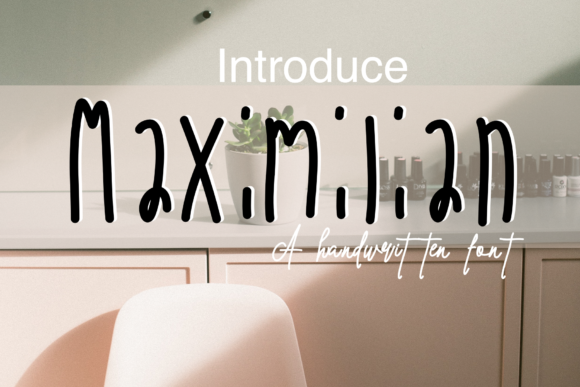
Zenen Font: Authentic Script Handwritten Typography for Web Design
Zenen Script Handwritten Fonts for Authentic Digital Branding
Zenen, Script Handwritten styles, and premium Fonts serve as critical tools for web designers aiming to establish a genuine emotional connection with users through digital interfaces. In an era where polished, grid-based UI design can sometimes feel sterile or overly corporate, Zenén results out of a stunning pairing of a brush pen and pencil that makes it look incredibly endearing and authentic. This specific visual texture translates exceptionally well to screen-based media because it breaks the rigid monotony of standard sans serif system fonts. When integrating this typeface into a brand identity system, the goal is not merely decoration but strategic communication. The organic imperfections inherent in the letterforms signal human craftsmanship, which is invaluable for artisanal e-commerce stores, personal coaching platforms, and creative portfolios. By utilizing Zenen in primary navigation elements or sub-headers, designers can soften the user experience without sacrificing professional credibility. The font acts as a visual anchor that tells the visitor they are engaging with a brand that values personality and individual attention, directly supporting conversion goals by building immediate rapport.
Optimizing Zenen Typography for Landing Page Hero Sections
When deploying Zenen, Script Handwritten aesthetics, and display Fonts within hero sections, readability and visual hierarchy must remain the primary technical considerations. A common mistake in web typography is using highly textured scripts at sizes that render poorly on high-density displays or mobile viewports. However, Zenen is designed with open counters and distinct character separation that maintains legibility even when scaled for impactful headlines. For landing pages focused on DIY products, craft supplies, or personalized services, this font performs best when used for value propositions rather than functional labels. Instead of a generic "Buy Now," consider using Zenen for supportive copy like "Handmade just for you" or "Start your creative journey." This application leverages the font’s endearing quality to reduce friction in the conversion funnel. From a CSS perspective, ensure adequate line-height and letter-spacing to prevent the brush strokes from colliding on smaller screens. The contrast between the fluid, organic shapes of Zenen and the structured layout of a modern landing page creates a dynamic tension that keeps users engaged and encourages scrolling behavior.
Pairing Zenen with Sans Serif Fonts for Web Readability
Effective use of Zenen, Script Handwritten families, and body text Fonts requires a disciplined approach to typographic pairing to maintain site-wide usability. Because Zenén results out of a stunning pairing of a brush pen and pencil that makes it look incredibly endearing and authentic, it carries significant visual weight and complexity. To prevent cognitive overload, it should almost always be paired with a clean, neutral sans serif or a simple geometric typeface for body copy. This combination establishes a clear information architecture: Zenen handles the emotional and atmospheric heavy lifting, while the supporting font delivers dense information efficiently. For example, in an online course sales page, use Zenen for module titles and testimonial highlights to evoke inspiration, but rely on a highly readable sans serif for curriculum details and pricing tables. This duality ensures that the site remains accessible and scannable. Avoid pairing Zenen with other decorative or serif fonts, as competing visual textures will degrade the user experience and make the interface feel cluttered rather than curated.
Zenen Font Applications for Boutique E-Commerce Stores
Integrating Zenen, Script Handwritten typefaces, and retail-focused Fonts into online stores can significantly enhance product perception and average order value. For boutique owners selling handmade goods, vintage items, or customized gifts, the typography must mirror the tactile nature of the physical product. Use this gorgeous and unique handwritten font to bring any DIY project to life by applying it to category headers, promotional banners, and packaging insert designs displayed on-site. The authenticity of the brush-and-pencil aesthetic validates the premium pricing often associated with artisanal goods. In product description layouts, utilize Zenen for short, emotive descriptors like "Ethically Sourced" or "Limited Edition" to draw the eye to key selling points without disrupting the reading flow of technical specifications. Furthermore, when designing cart abandonment emails or post-purchase thank-you pages, this font reinforces the personal touch that distinguishes small businesses from mass-market retailers. Consistency across these touchpoints builds a cohesive brand narrative that fosters customer loyalty and repeat purchases.
Technical Implementation of Zenen for Responsive Web Layouts
Web designers working with Zenen, Script Handwritten assets, and variable Fonts must account for responsive behavior across diverse device breakpoints. While the font is visually stunning on desktop monitors, its intricate brush details require careful management on mobile devices. On screens narrower than 768px, consider scaling down the usage of Zenen to accent elements only, reserving larger headline duties for simpler typefaces to preserve load times and rendering clarity. When placing Zenen over background images or colored sections, ensure sufficient contrast ratios meet WCAG accessibility standards; the varying stroke width of brush scripts can sometimes cause legibility issues against busy textures. Utilize CSS text-shadow or subtle backdrop filters to enhance definition without compromising the font's natural charm. Additionally, verify that the webfont files are optimized for performance. Since handwritten fonts often contain numerous glyphs and alternates, subsetting the font file to include only necessary characters can drastically improve page speed. Proper technical implementation ensures that the aesthetic benefits of Zenen do not come at the cost of core web vitals or user accessibility.
Licensing Zenen for Commercial Digital Products and Client Work
Before incorporating Zenen, Script Handwritten styles, and commercial Fonts into client projects or digital products, understanding licensing terms is essential for legal compliance and business safety. As a web designer or agency, you must distinguish between desktop licenses for creating mockups and webfont licenses for live deployment. If you are building a template, theme, or digital planner for resale, an extended or app-specific license may be required to cover end-user distribution. Zenén results out of a stunning pairing of a brush pen and pencil that makes it look incredibly endearing and authentic, making it a high-value asset for templates targeting the DIY and lifestyle niches; however, unauthorized redistribution can lead to legal complications. Always review the specific EULA regarding embedding in PDFs, apps, or editable Canva templates. Transparent licensing protects both the designer and the client, ensuring that the investment in premium typography yields sustainable returns. When presenting font options to clients, explain that proper licensing is part of the professional deliverable, reinforcing the value of your expertise and safeguarding their brand's long-term integrity.